



PhD Research Intership
Thanks to the financial support of the Erasmus+ program, I had the unique opportunity to spend four months in the prestigious Materials Chemistry and Catalysis (MCC) research group at Utrecht University in the Netherlands. This group specializes in the development, synthesis, and characterization of nanostructured catalysts and functional materials, with a strong emphasis on understanding processes at the atomic level. My work was conducted under the supervision of Dr. Jessi van der Hoeven, whose research focuses on combining colloid synthesis, advanced electron microscopy, and catalysis to develop more efficient materials, particularly multi-metallic core-shell nanoparticles.
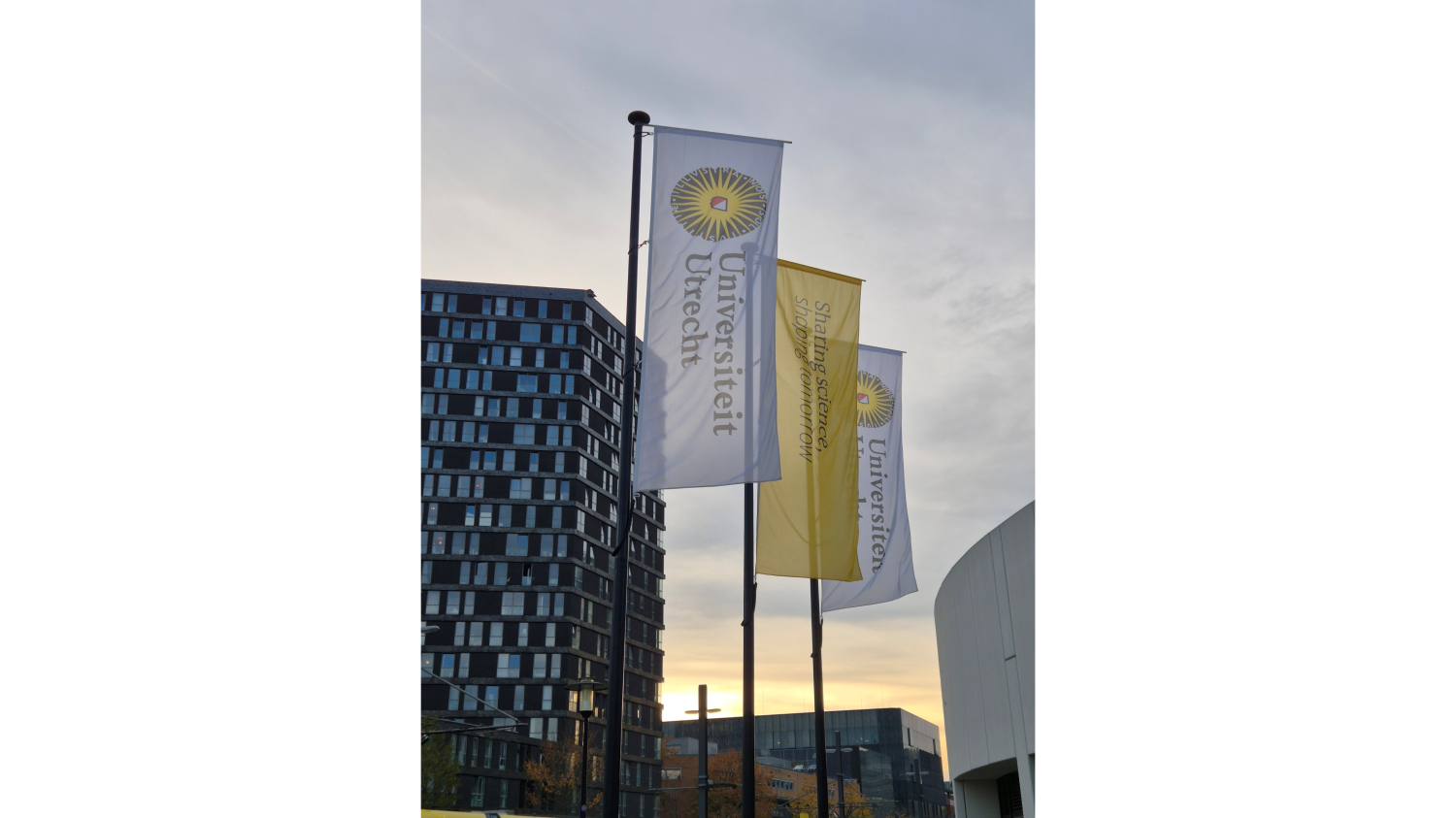
I spent my internship in the modern David de Wied building within the Utrecht Science Park. This campus offers an inspiring environment where world-class science meets a dynamic student life. In addition to modern laboratories, the David de Wied building houses a cutting-edge microscopy center equipped with the latest instruments in the field of electron microscopy.
My research focused on the characterization of gold-titania catalysts with a so-called inverse opal structure. During the internship, I was trained on the Talos 200 and, most notably, the Spectra 300 transmission electron microscopes—a unique instrument featuring double-aberration correction that enables the study of materials at atomic resolution. My tasks included data collection for electron tomography, followed by 3D reconstruction and analysis. I successfully developed a methodology that integrated my previous experience from UCT Prague with the new procedures acquired in Utrecht.
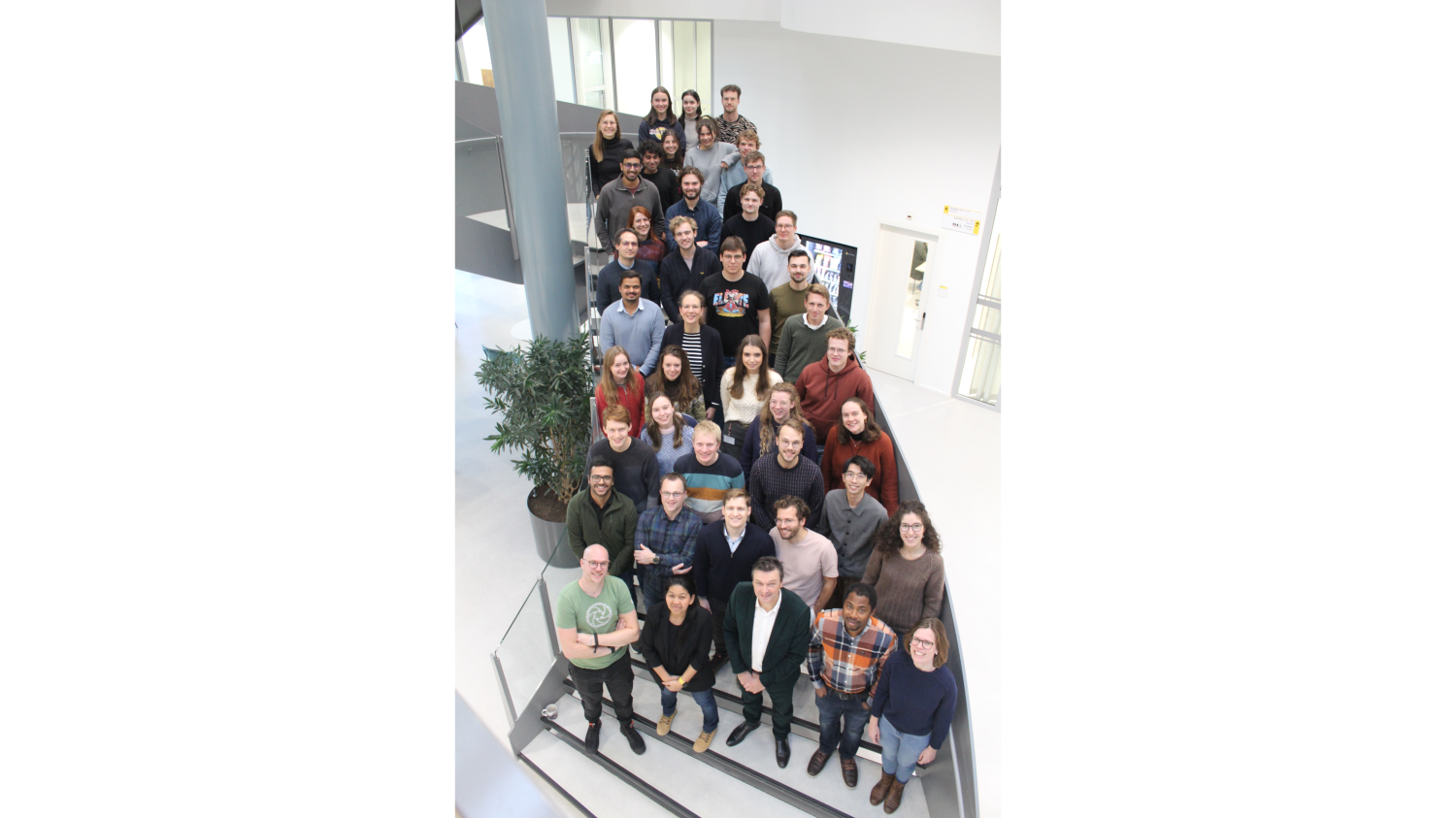
I highly value the close collaboration with Marianne Bijl, who served as my "buddy." Our joint efforts culminated in a final presentation of our results to the entire MCC group. Both the presentation and the subsequent technical discussion were immensely beneficial and provided me with invaluable experience. The results measured during my stay will be published in the form of two scientific papers in the near future, which I consider an excellent tangible output for such a relatively short period.
Beyond the scientific experience, the internship helped me significantly improve my English. Working in an international team forced me to communicate in a foreign language on a daily basis, which provided me with the necessary fluency while also highlighting areas for further improvement.
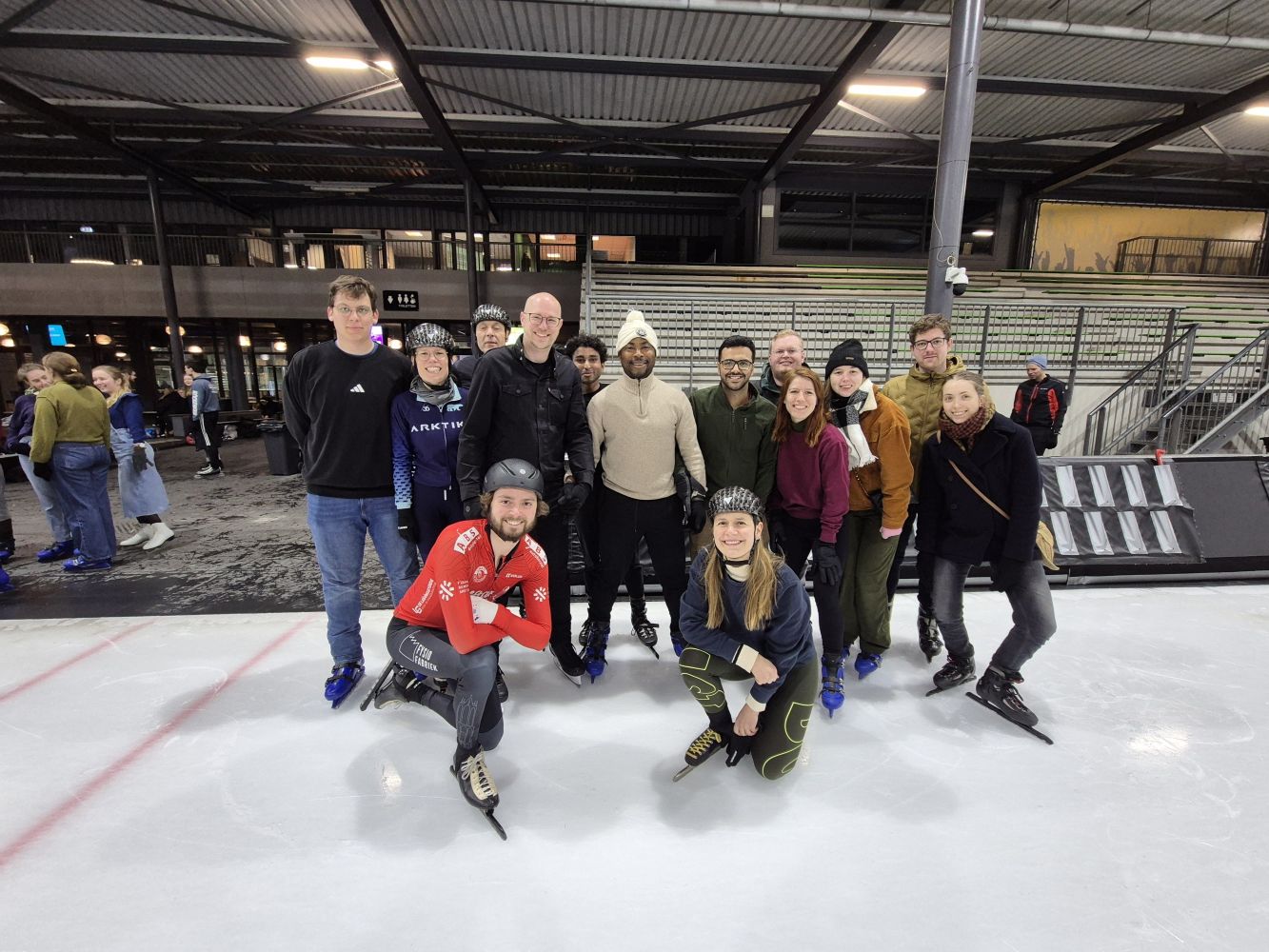
Utrecht itself enchanted me with its picturesqueness. The historic center is dominated by the Dom Tower, surrounded by iconic canals and a dense network of bicycle paths. Owning a bike in the Netherlands is an absolute necessity—you ride in the saddle to work, for shopping, and for leisure, regardless of the weather. In addition to cycling, I tried another typically Dutch discipline: speed skating on an oval track.
This experience confirmed that an international internship is the best way to gain healthy professional confidence, improve language skills, and establish contacts that can influence one’s entire future career.