



 ICCT 2026
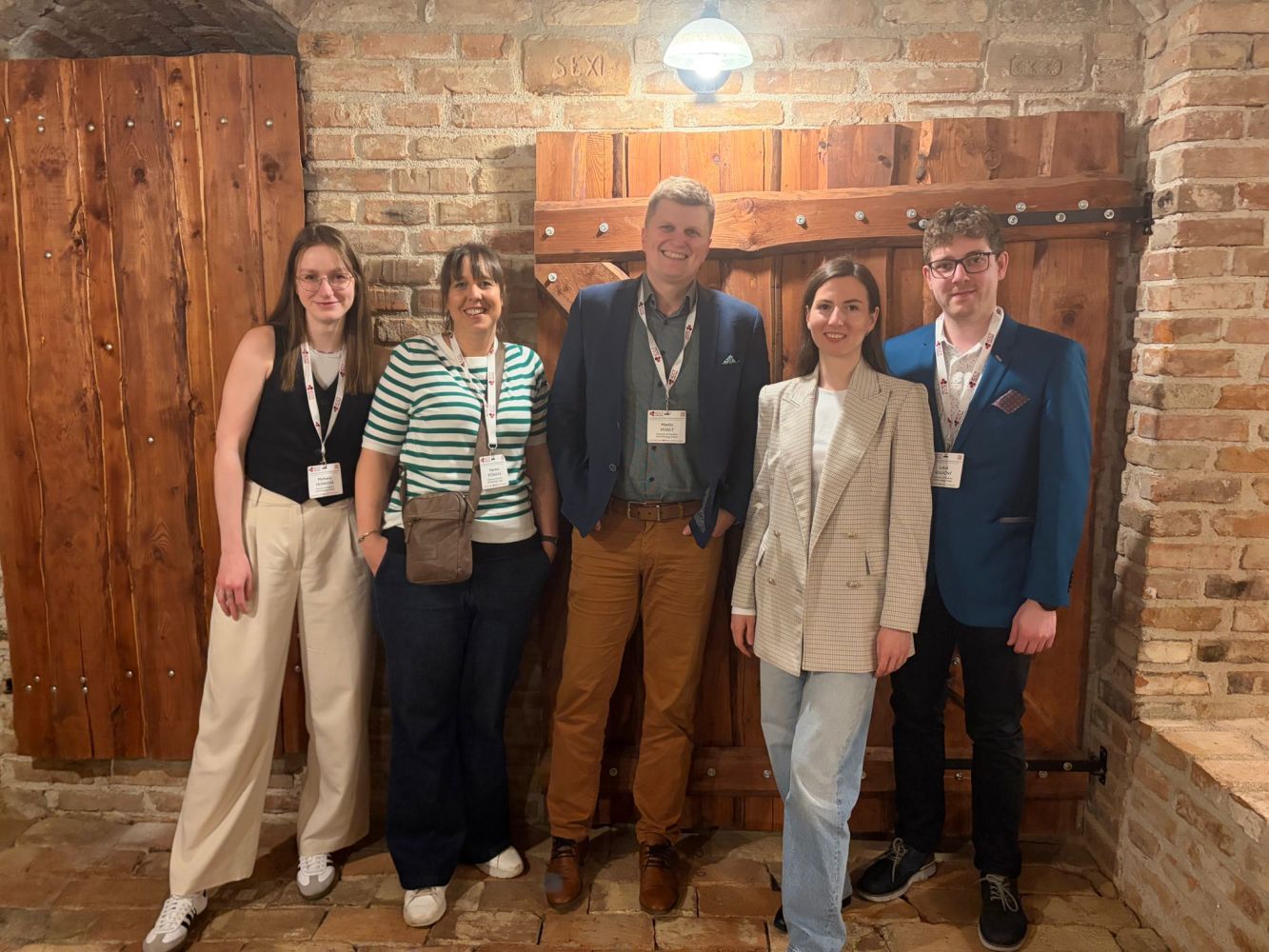
The entire 2D CAT group recently attended the International Conference on Chemical Technology (ICCT) held in the beautiful city of Mikulov.
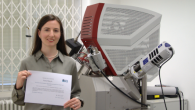
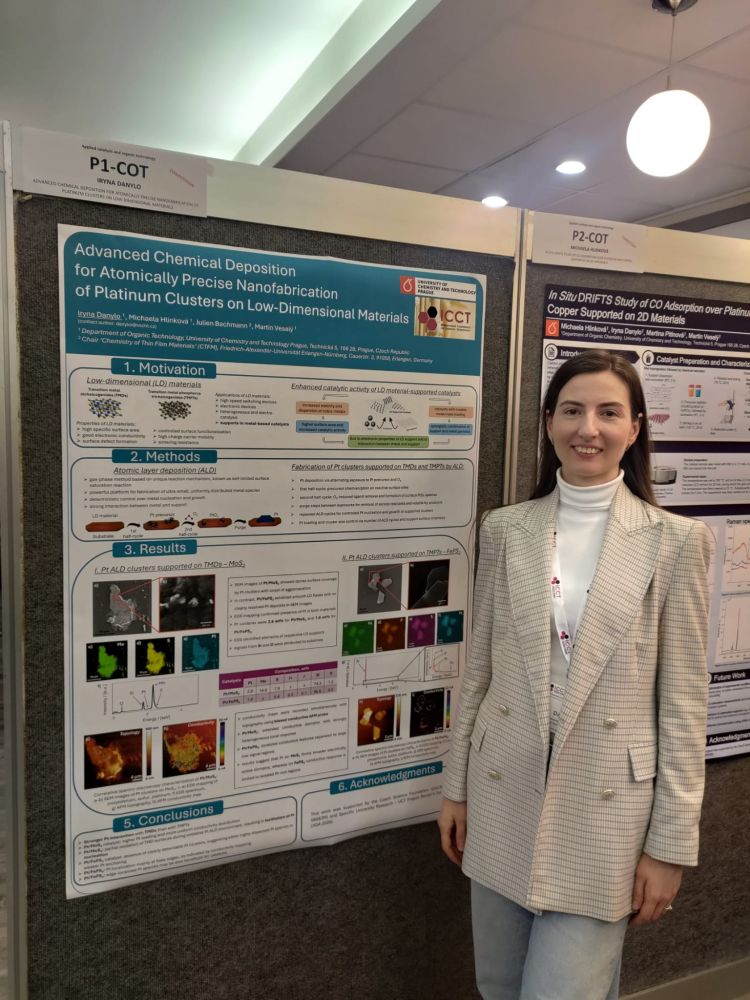
We are incredibly proud to announce a major achievement from the event: Iryna Danylo won the Best Poster Award in the APPLIED CATALYSIS AND ORGANIC TECHNOLOGY section! Her outstanding work truly stood out among many excellent contributions.
Our team was highly active throughout the conference, sharing our latest research findings through both engaging posters and oral presentations.
Oral Presentations (APPLIED CATALYSIS AND ORGANIC TECHNOLOGY):
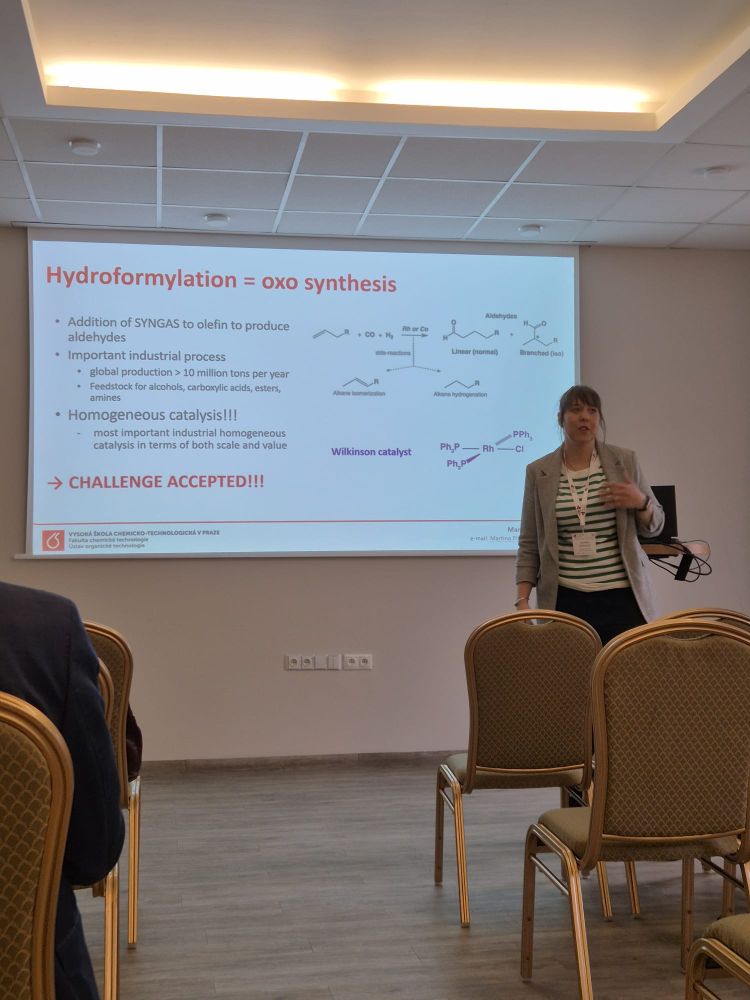
Martina Pitinová: "Rhodium supported on layered and exfoliated 2D materials as efficient catalysts for selective styrene hydroformylation".
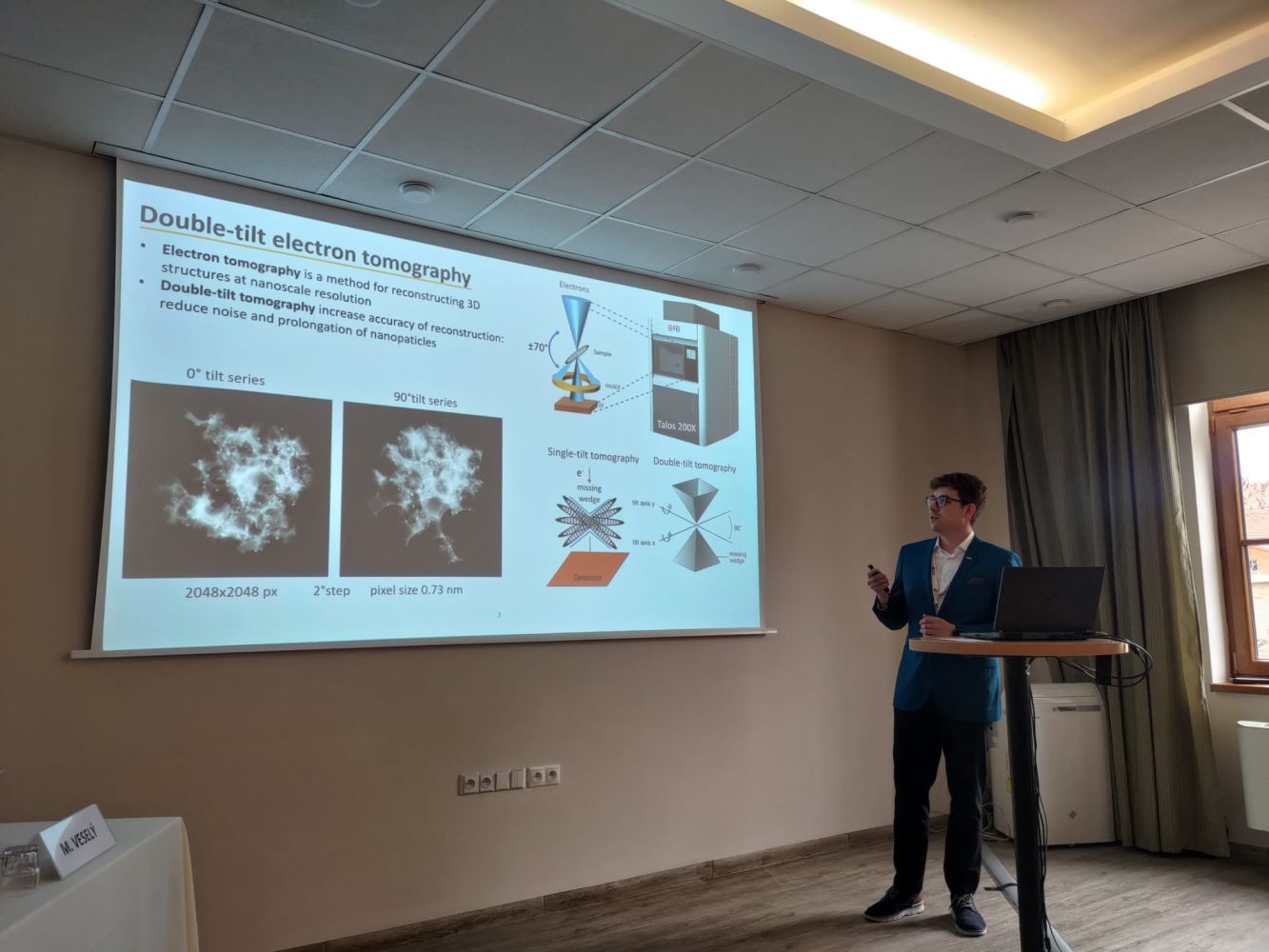
Lukáš Koláčný: "Quantitative double-tilt tomography and HR-TEM for the structural characterisation of photocatalysts $Au/TiO_{2}$ raspberry-colloid inverse opals"
Poster Presentations:
Iryna Danylo: "Advanced chemical deposition for atomically precise nanofabrication of platinum clusters on low-dimensional materials".
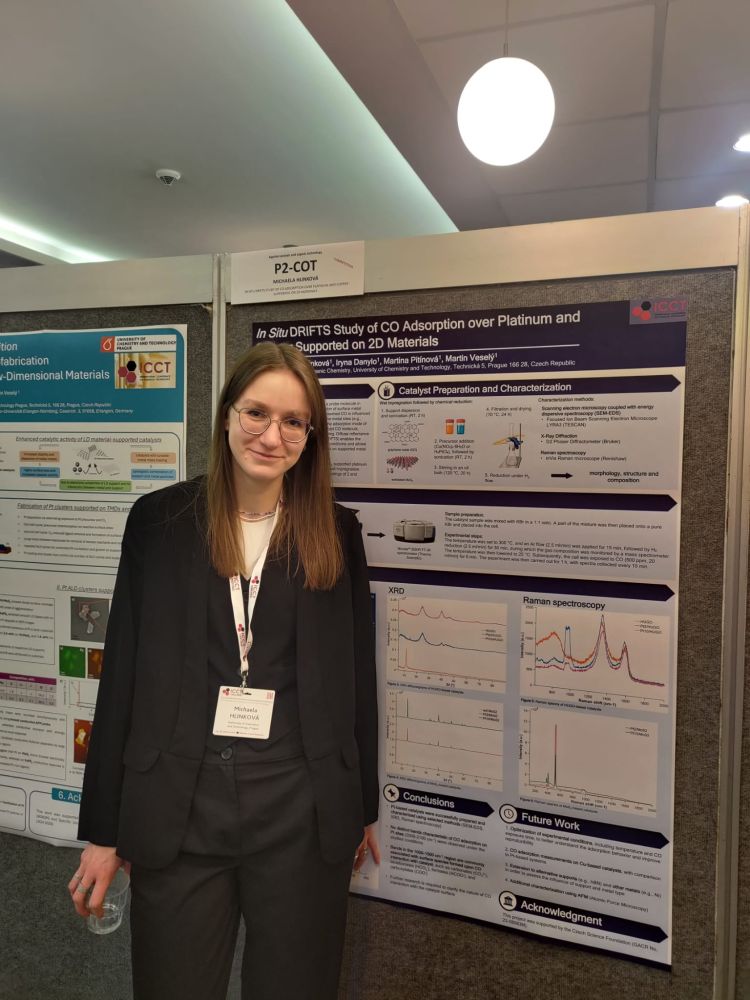
Michaela Hlinková: "In Situ DRIFTS Study of CO adsorption over platinum and copper supported on 2D materials".
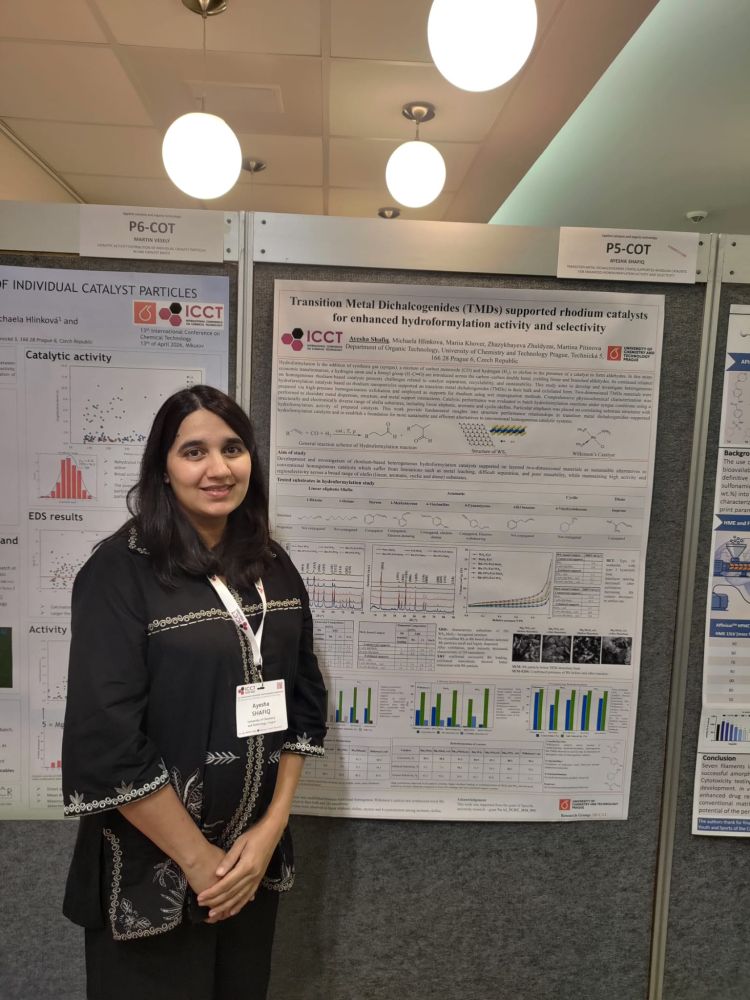
Ayesha Shafiq: "Transition Metal Dichalcogenides (TMDs) supported rhodium catalysts for enhanced hydroformylation activity and selectivity".
Martin Veselý: "Catalytic activity distribution of individual catalyst particles in one catalyst batch"
 Rector's Junior Grant 2026
Ing. Iryna Danylo. PhD. received Rector's Junior Grant 2026
Name of project: Atomically Precise Nanofabrication of Platinum Clusters on Low-Dimensional Materials via Atomic Layer Deposition
The project focuses on the development of a new generation of platinum catalysts based on low-dimensional materials, such as transition-metal dichalcogenides and phosphorus trichalcogenides. These materials are currently considered highly promising systems because they exhibit unique physical and chemical properties that can also be exploited in catalysis. The research therefore investigates how their potential can be combined with the properties of platinum clusters in order to create catalytic systems with precisely controlled behavior.

 PhD Research Intership
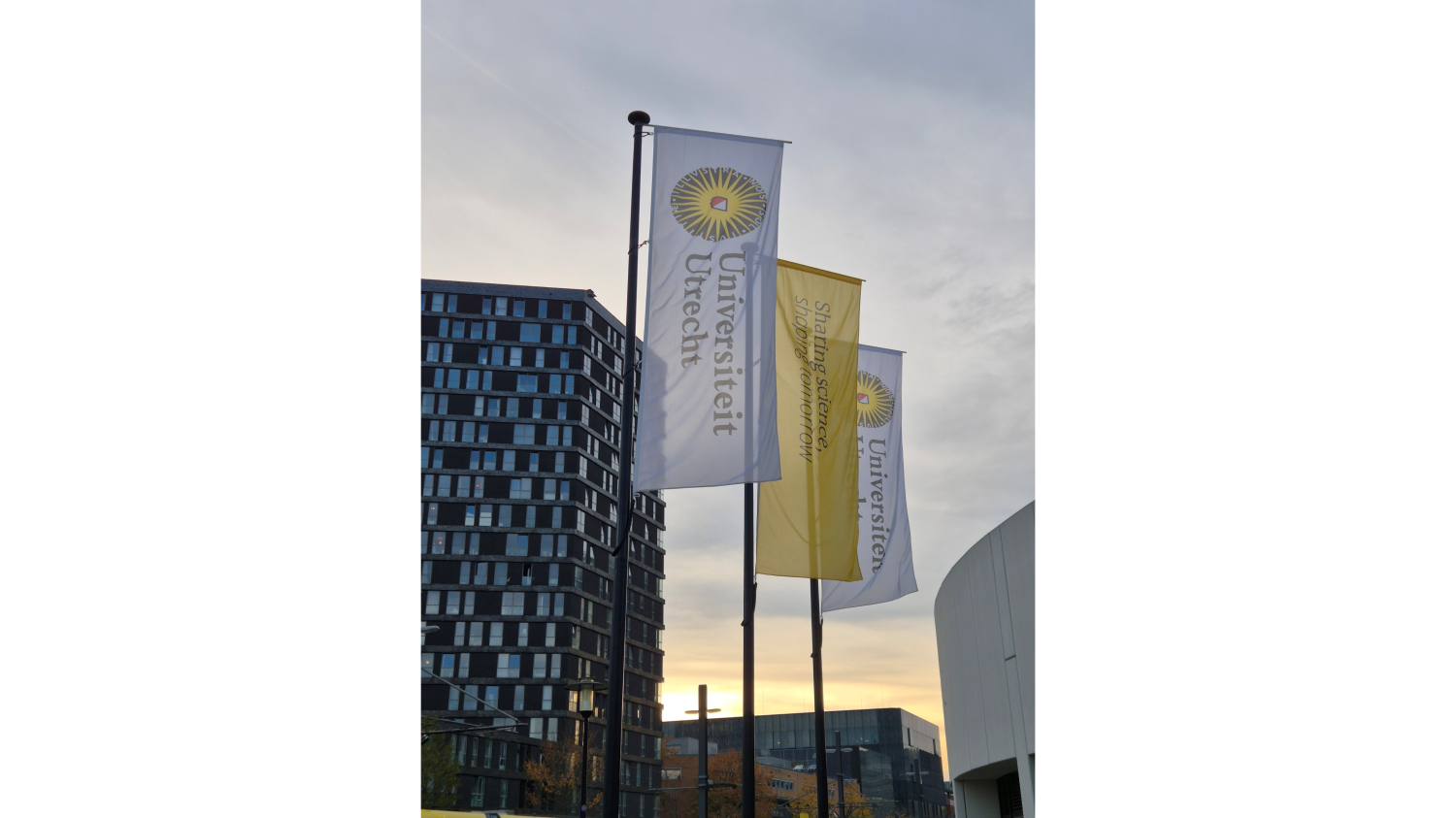
Thanks to the financial support of the Erasmus+ program, I had the unique opportunity to spend four months in the prestigious Materials Chemistry and Catalysis (MCC) research group at Utrecht University in the Netherlands. This group specializes in the development, synthesis, and characterization of nanostructured catalysts and functional materials, with a strong emphasis on understanding processes at the atomic level. My work was conducted under the supervision of Dr. Jessi van der Hoeven, whose research focuses on combining colloid synthesis, advanced electron microscopy, and catalysis to develop more efficient materials, particularly multi-metallic core-shell nanoparticles.
I spent my internship in the modern David de Wied building within the Utrecht Science Park. This campus offers an inspiring environment where world-class science meets a dynamic student life. In addition to modern laboratories, the David de Wied building houses a cutting-edge microscopy center equipped with the latest instruments in the field of electron microscopy.
My research focused on the characterization of gold-titania catalysts with a so-called inverse opal structure. During the internship, I was trained on the Talos 200 and, most notably, the Spectra 300 transmission electron microscopes—a unique instrument featuring double-aberration correction that enables the study of materials at atomic resolution. My tasks included data collection for electron tomography, followed by 3D reconstruction and analysis. I successfully developed a methodology that integrated my previous experience from UCT Prague with the new procedures acquired in Utrecht.
I highly value the close collaboration with Marianne Bijl, who served as my "buddy." Our joint efforts culminated in a final presentation of our results to the entire MCC group. Both the presentation and the subsequent technical discussion were immensely beneficial and provided me with invaluable experience. The results measured during my stay will be published in the form of two scientific papers in the near future, which I consider an excellent tangible output for such a relatively short period.
Beyond the scientific experience, the internship helped me significantly improve my English. Working in an international team forced me to communicate in a foreign language on a daily basis, which provided me with the necessary fluency while also highlighting areas for further improvement.
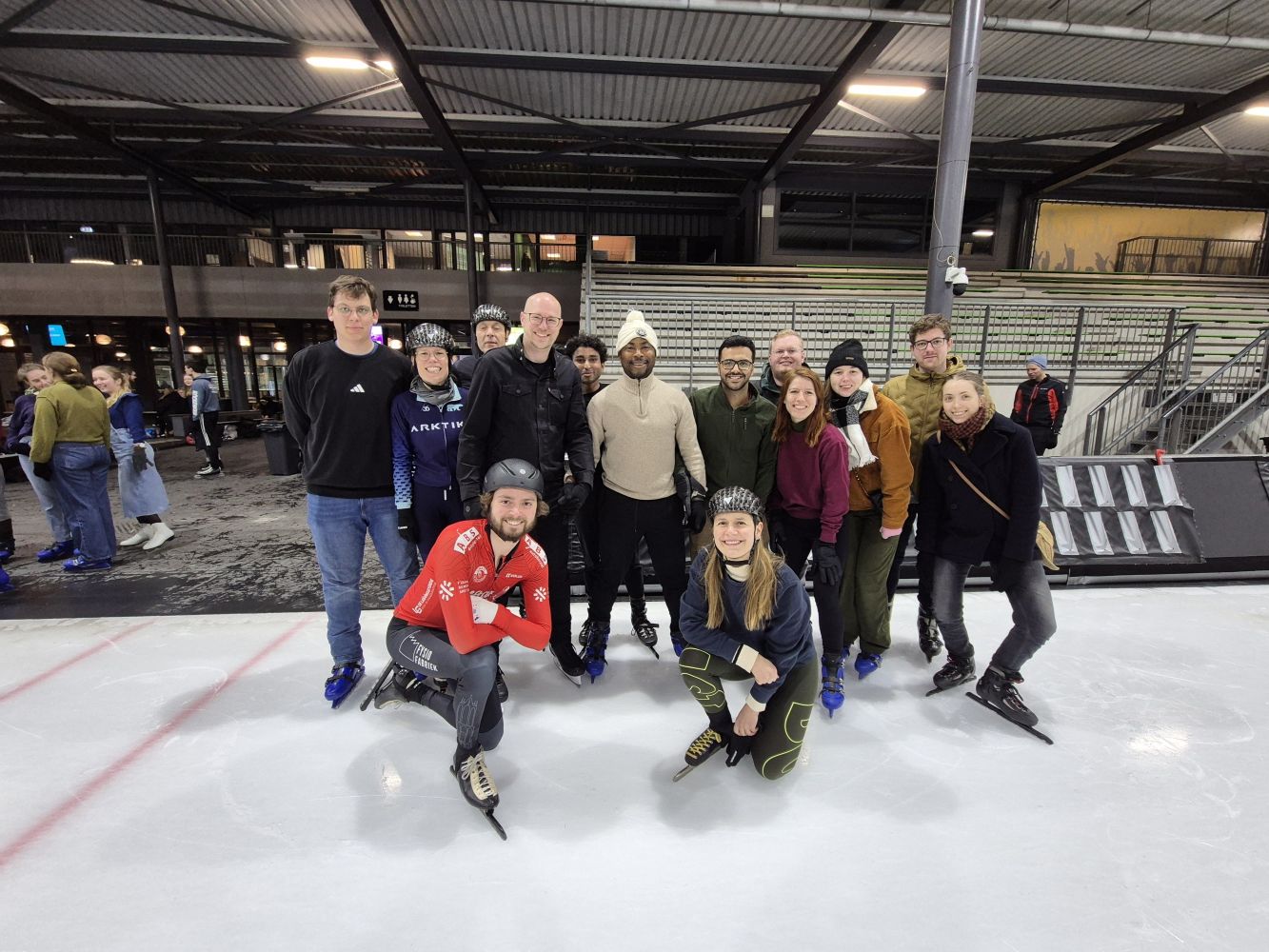
Utrecht itself enchanted me with its picturesqueness. The historic center is dominated by the Dom Tower, surrounded by iconic canals and a dense network of bicycle paths. Owning a bike in the Netherlands is an absolute necessity—you ride in the saddle to work, for shopping, and for leisure, regardless of the weather. In addition to cycling, I tried another typically Dutch discipline: speed skating on an oval track.
This experience confirmed that an international internship is the best way to gain healthy professional confidence, improve language skills, and establish contacts that can influence one’s entire future career.
 Catalytic Seminar at MUNI
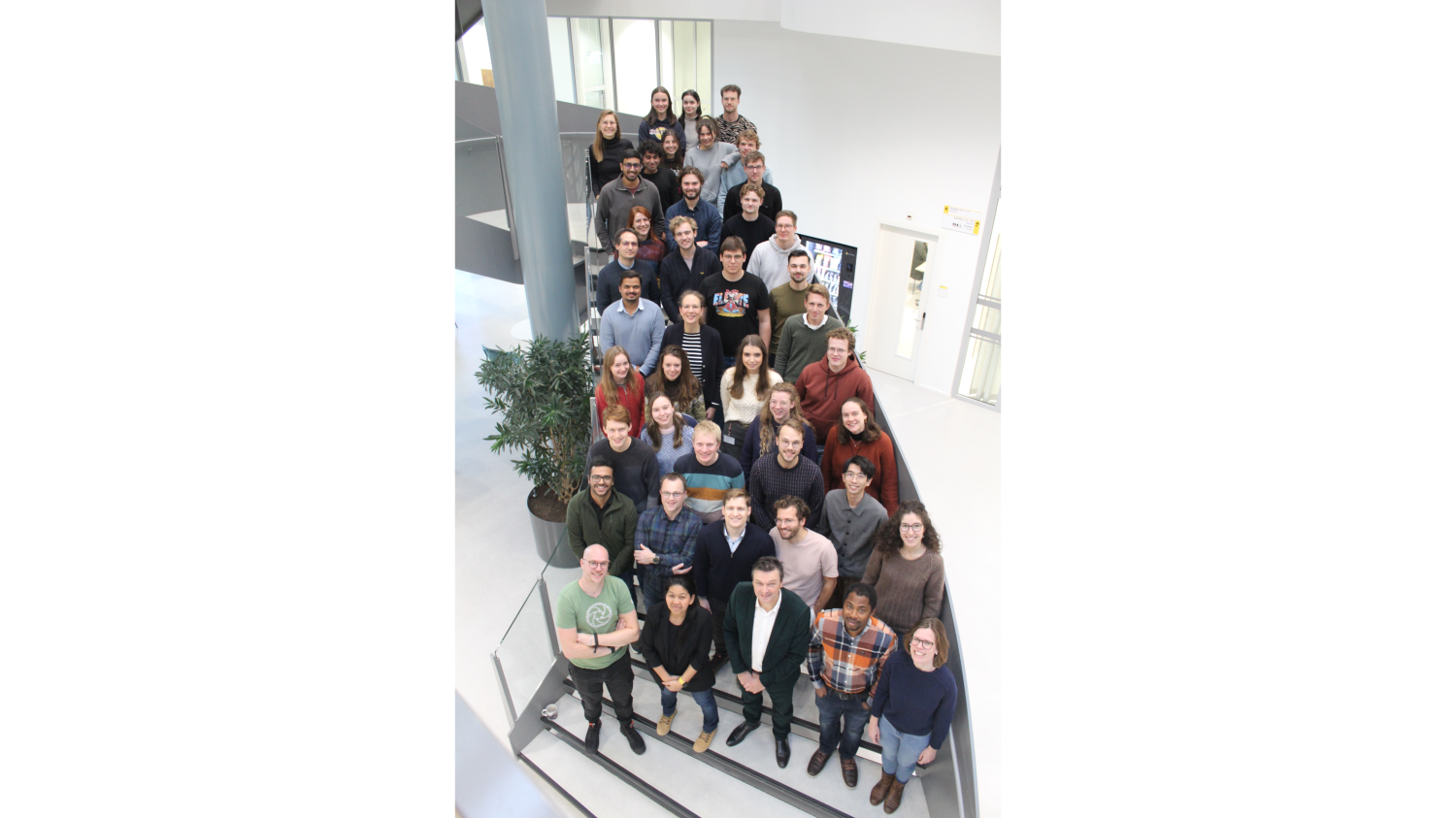
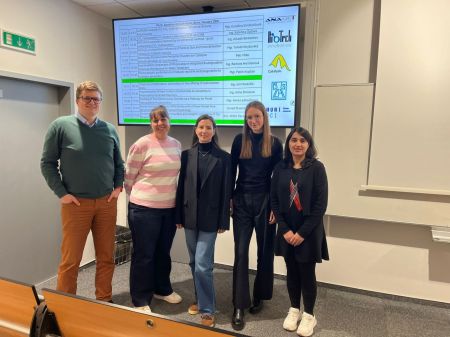
We are proud to announce that Ayesha Shafiq successfully presented her research at the Student Catalytic Seminar 2026. The event took place on Wednesday, January 28, at the Masaryk University Campus in Bohunice, Brno.
Ayesha delivered a 15-minute presentation titled "Development of Rhodium-based catalysts for styrene hydroformylation," showcasing her latest findings in the field.
The seminar program featured a series of student presentations in English, alongside invited lectures by experts in the field:
- Assoc. Prof. Kateřina Pacultová (VŠB TU Ostrava) regarding TPR Methods and Determination of Active Metal Surfaces.
- Michal Dudák (ANAMET) regarding Chemisorption and Reactor Instruments.
It was an excellent opportunity for scientific discussion and networking within the catalytic community.
 Students science conference 2025
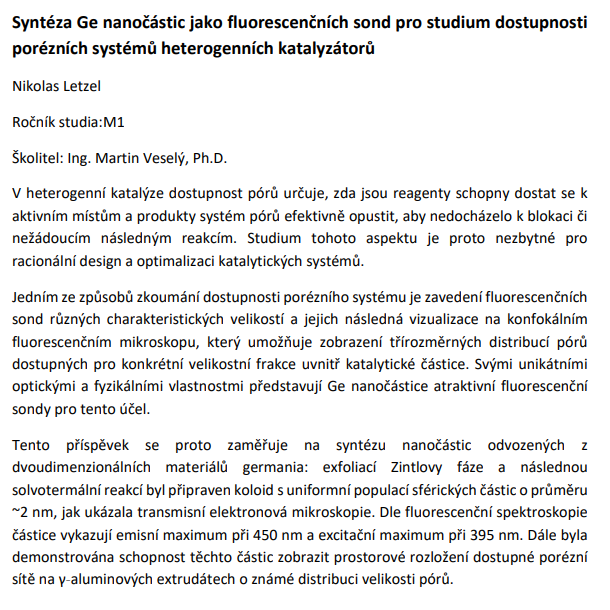
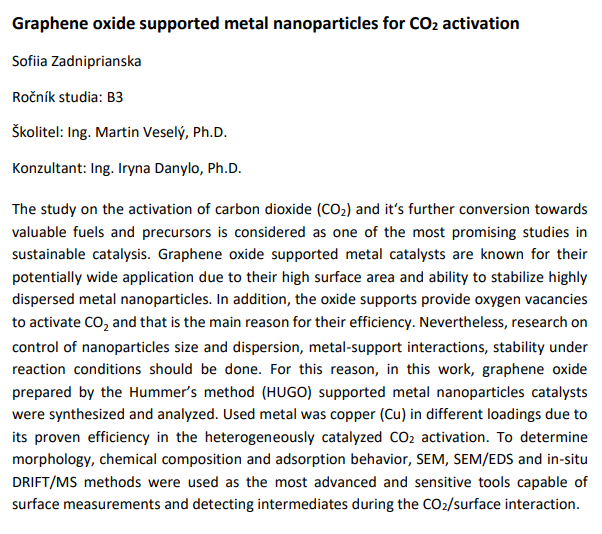
On November 20, 2025, the Student Scientific Conference was held again at the University of Chemistry and Technology in Prague, with six students from our group registering to participate this year. Namely: Nikolas Letzel, Mariia Khover, Jáchym Kučera, Sofiia Zadniprianska, Zhuldyzai Zhazykbayeva, and Ihar Astanin. The most successful was the work of Nikolas Letzel, who won first place in the category Study and Use of Heterogeneous Catalysts with his work "Synthesis of Ge Nanoparticles as Fluorescent Probes for Studying the Availability of Porous Heterogeneous Catalyst Systems." Sofiia Zadniprianska also won third place in the same category with her work: Graphene oxide supported metal nanoparticles for CO2 activation. We congratulate both winners and thank everyone else for participating.
 Youth Academy
Martin Vesely gave a lecture at The Youth Academy on the 2nd of December with the title: Heterogeneous catalysts – unconventional approaches to understanding their properties.
Annotation:
How can we find out what is happening on the surface of a material that accelerates a chemical reaction without being consumed itself? In this lecture, we will look into the world of heterogeneous catalysis—a key field in the chemical industry and environmental protection. We will focus on modern methods that allow us to study catalysts at various levels, from the atomic level to the catalytic reactor as a whole.
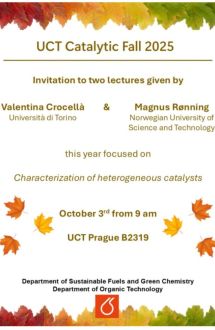
 UCT Catalytic Fall 2025
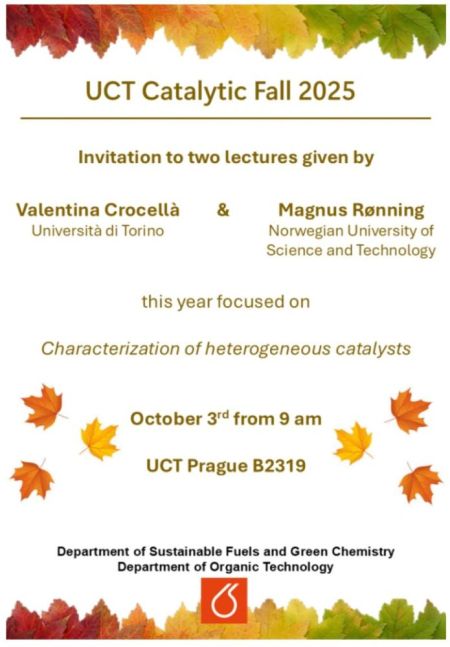
In collaboration with the Department of Sustainable Fuels and Green Chemistry, we are excited to introduce 2nd series of UCT Catalytic Fall 2025. We want to kick out the new academic semester and boost student's motivation by interacting with great speakers. Each year, this seminar will focus on a different topic. This year's theme is:
Characterization of heterogeneous catalysts
We are honoured to host two distinguished speakers:
Valentina Crocellà - Università di Torino
"A multitechnique insight into catalyst surfaces: in situ Infrared spectroscopy and beyond."
Valentina Crocellà is an Associate Professor in the Department of Chemistry at the University of Turin, specializing in physical chemistry. Her research focuses on the synthesis and characterization of nanostructured materials for diverse applications. Notable publications include studies on cooperative adsorption mechanisms in metal-organic frameworks and the development of hybrid silica gel carriers for controlled drug delivery.
Magnus Rønning - Norwegian University of Science and Technology
"How to extract all available information from temperature programmed techniques."
Magnus Rønning is a Professor in Catalysis at the Norwegian University of Science and Technology (NTNU). His research focuses on operando characterization of catalysts using synchrotron-based X-ray techniques, hydrogen production, ammonia decomposition and oxidation, and the development of new catalytic materials to replace critical raw materials.
The seminar will take place at UCT Prague on October 3rd, from 9:00 AM to 12:00 PM, at B2319. We look forward to your participation in what promises to be an insightful and engaging event.
 Defense of dissertation
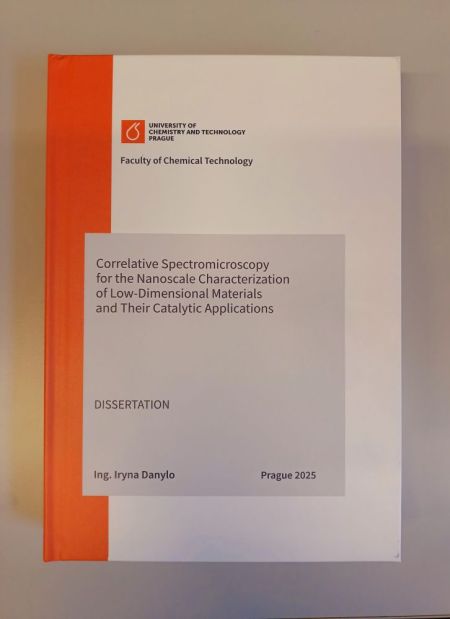
We are delighted to announce that Iryna Danylo has successfully defended her dissertation entitled Correlative Spectromicroscopy for the Nanoscale Characterization of Low-Dimensional Materials and Their Catalytic Applications, which she wrote under the supervision of Martin Veselý, Ph.D.
Congratulations from the whole 2D CAT group.
 New PhD group member
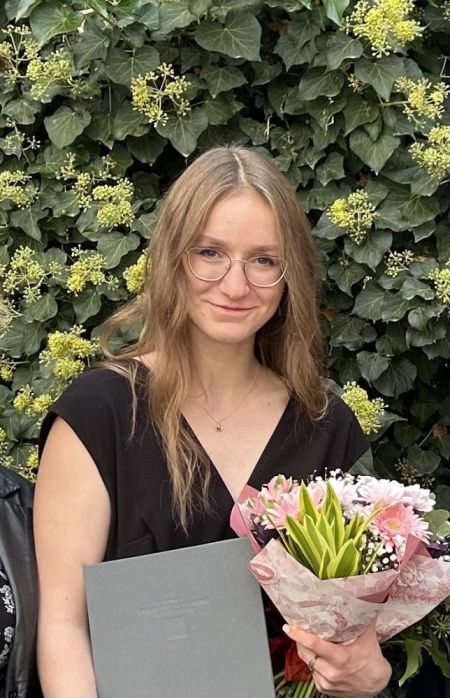
 We are pleased to announce that Michaela Hlinková will be joining the 2DCAT group as a PhD student.
We wish her every success in the years to come.
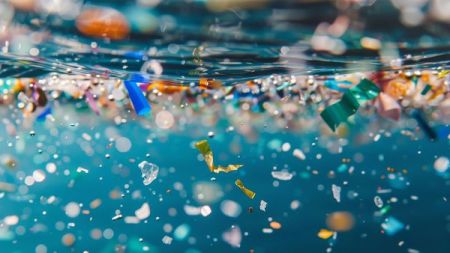 Announcement of a new MicroDetect grant
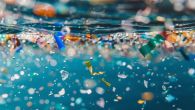
We are pleased to announce that Ing. Martin Veselý, Ph.D. has received a grant from the Ministry of Industry and Trade of the Czech Republic entitled: MicroDetect - Fast and cost-effective detection of microplastics in drinking water using AI spectro-microscopy. The project will run from September 1, 2025 to August 31, 2027.
Project number: FY01010196
Project goals:
The goal of the MicroDetect project is to develop an innovative analytical system for the detection, classification, and quantification of microplastics in various types of water, especially drinking water. Current methods are often time-consuming, insufficiently precise, and difficult to apply to individual microplastic particles, which range in size from 1 μm to 5 mm. Moreover, existing approaches require extensive manual sample preparation and human interpretation of results, limiting their practical use in operational conditions. The MicroDetect project focuses on developing and validating technology that automates the microplastic analysis process and eliminates subjective errors caused by human interpretation. The project will deliver three key outputs: A utility model protecting the developed filtration apparatus – an innovative solution for the efficient separation of microplastics from water samples. A functional prototype of the filtration apparatus – a device enabling optimized microplastic filtration for subsequent analytical detection. A verified technology of the analytical system – software capable of generating automated reports on the quantity, size, and composition of microplastics based on optical analysis. This system has direct commercial potential not only in water quality monitoring and industrial processes but also in research laboratories and environmental management. Thanks to its high precision and speed, MicroDetect enables up to 80% more efficient microplastic detection compared to conventional methods, significantly improving the effectiveness and scalability of this technology in various industrial and environmental applications.
Congratulations
Reference: https://www.bosch-home.com/cz/novinky/filtr-na-mikroplasty (4.1.2026)
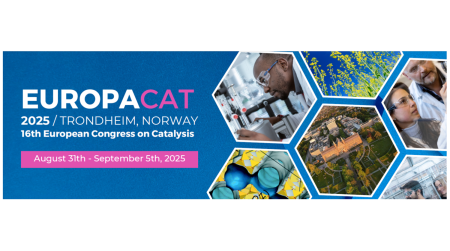 Europacat 2025
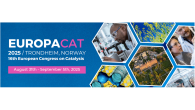
Martin Veselý participated in Europacat 2025, located in Trondheim, Norway, as part of the 16th European Congress on Catalysis (31th August - 5th September). Martin gave a lecture entitled: Optimized Platinum Nanoparticle Dispersion on 2D Supports for Enhanced Selective Hydrogenation of Cinnamaldehyde
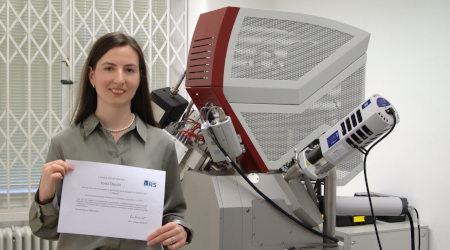 Award for best oral presentation
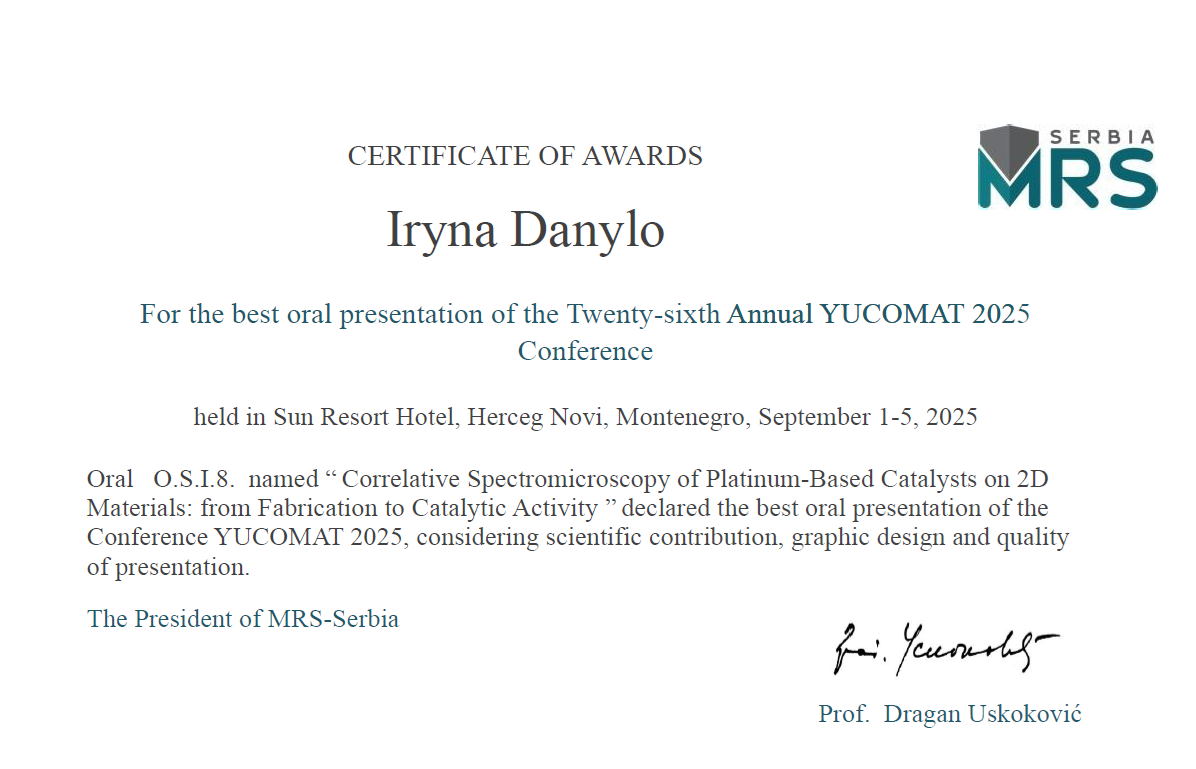
Ing. Iryna Danylo, Ph.D., received an award for the best oral presentation at the 26th Annual YUCOMAT Conference for her work Correlative Spectromicroscopy of Platinum-Based Catalysts on 2D Materials: from Fabrication to Catalytic Activity.
We warmly congratulate Dr. Danylo.
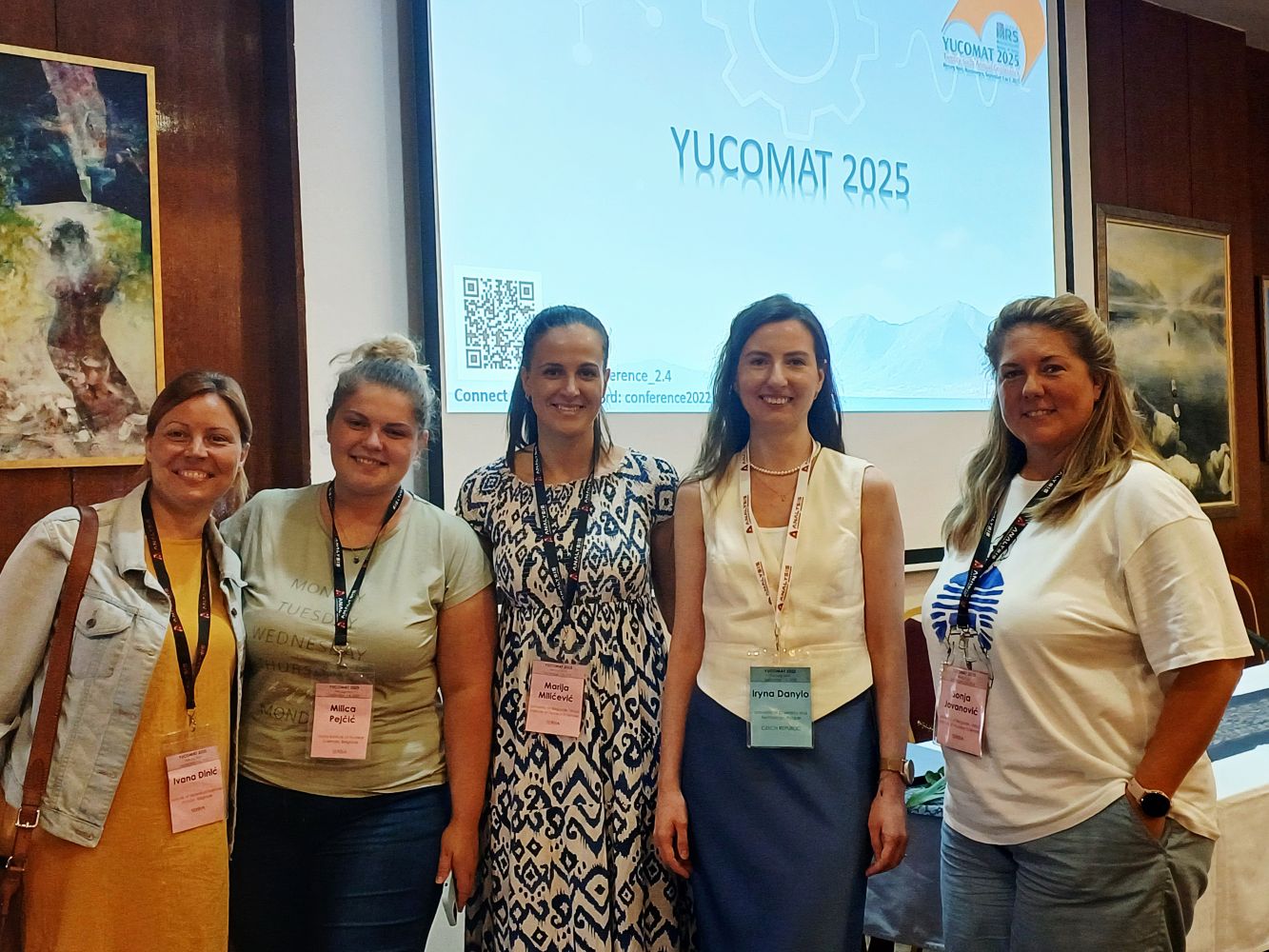
 Internship in labs 2DCAT
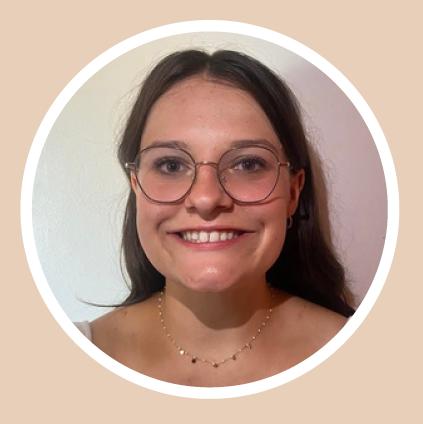
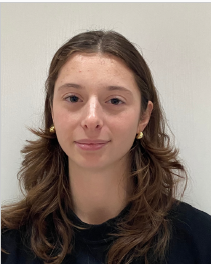
Cléa Pagés and Margaux Pichard were part of 2DCAT for two months (May-July) as part of an international internship. Both students came to us for an internship from the French university ESCOM (Ecole Supérieure de Chimie Organique et Minérale). During their internship, they worked under the supervision of Martina Pitínová on the preparation and characterization of rhodium catalysts for hydroformylation.
 10th Czech-Italian-Spanish Conference (CIS-10)
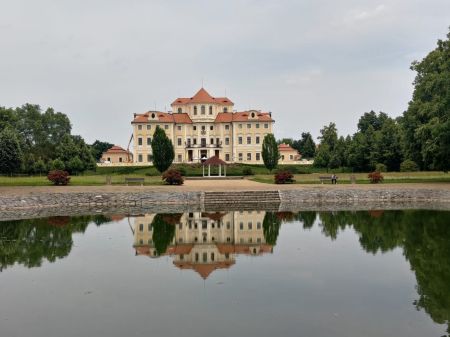
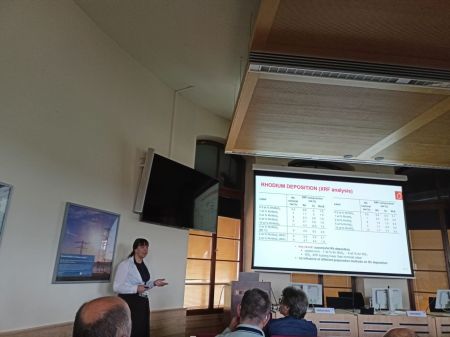
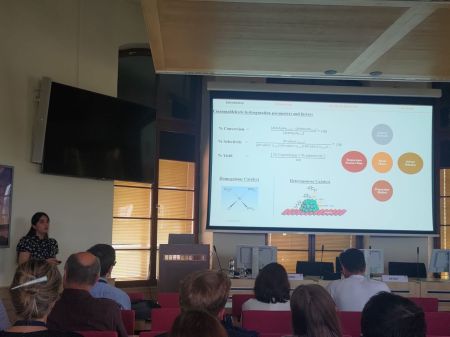
Martina Pitínová and Ayesha Shafiq participated in the 10th Czech-Italian-Spanish Conference (CIS-10) on Molecular Sieves and Catalysis, held at Liblice Castle on June 9-12, 2025. Martina gave a lecture entitled: STYRENE HYDROFORMYLATION CATALYZED BY RHODIUM SUPPORTED ON 3D AND 2D TRANSITION METAL DICHALCOGENIDES.
Ayesha with her lecture: HYDROGENATION OF CINNAMALDEHYDE BY PLATINUM SUPPORTED ON 2D AND 3D TRANSITION METAL SULFIDES
 ICCT 2025
The International Conference on Chemical Technology took place in Mikulov from April 14 to 16, 2025. At this conference, Lukáš Koláčný presented his work on the topic: EXPLORING 3D MICROSTRUCTURAL CHANGES IN WORKING PT-CO CATALYSTS OF A
FUEL CELL VIA ELECTRON TOMOGRAPHY,
and Ayesha Shafiq presented on the topic: RHODIUM-CATALYSED HYDROFORMYLATION OF STYRENE USING TRANSITION METAL
DICHALCOGENIDE SUPPORTS,
and Martin Veselý presented his poster entitled: TOPOCHEMICALLY SYNTHESIZED SI AND GE QUANTUM DOTS FOR INVESTIGATING
POROUS NETWORKS IN SOLID CATALYSTS. Martin Veselý was also the chairman of the Applied Catalysis and Organic Technology section.
 Vice-President ČSPCH
Martin Veselý was elected Vice-President of ČSPCH in February 2025. Congratulations!